





Dancing Cactus Toy: The Singing, Wiggling Toy Kids Can't Stop Watching
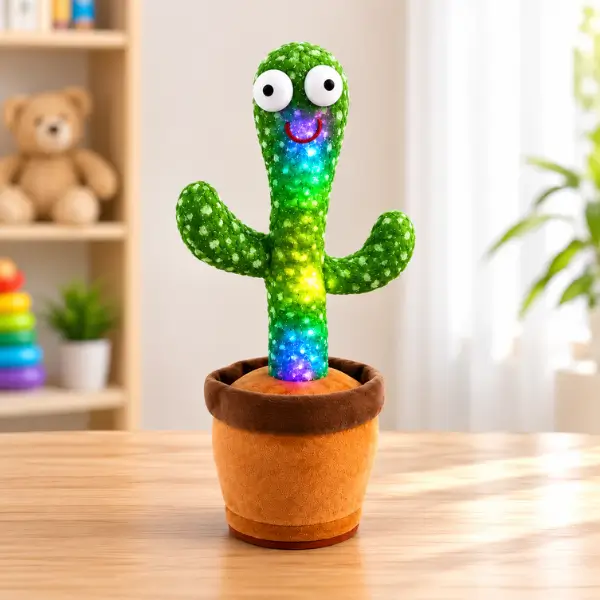
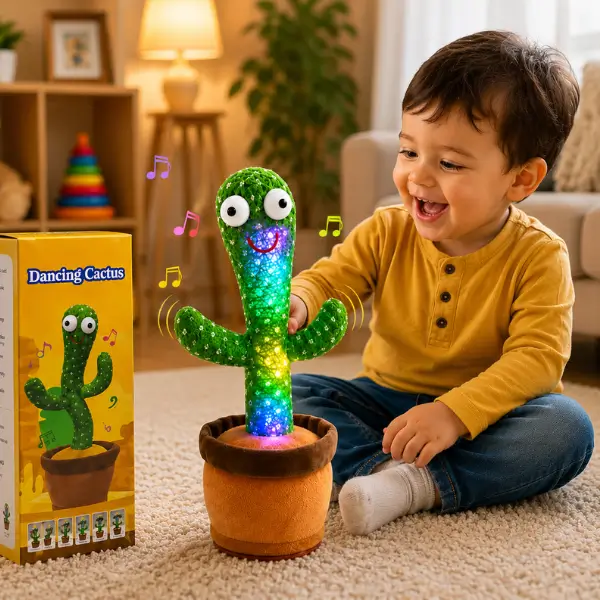
There's something about a cactus that shouldn't be able to dance actually dancing that gets almost every kid laughing within the first ten seconds. This dancing cactus toy sits in its little pot, and the moment you talk near it or hit the button, it starts wiggling, singing back whatever it just heard, and moving its leaves in time with the music. It sounds like a small thing, but in most houses it turns into the toy a toddler drags into every room.
What It Actually Does
Talk to it, sing to it, or just make noise near it, and the cactus repeats it back in a squeaky, funny voice while swaying and dancing along. Most versions also come with built-in songs it can play on its own, so it doesn't only work as a mimicry toy — it can just sit there dancing to its own music too. Some models record a few seconds of whatever's said to them and play it back on a loop, which is usually the part that gets the most laughs out of a room full of kids.
The leaves move, the pot often lights up, and the whole thing rocks side to side like it's actually enjoying itself. It's silly in a way that works on toddlers and six-year-olds equally, which isn't something you can say about most toys in this price range.
Why Parents Keep Buying This One
A dancing cactus toy doesn't require reading instructions or setting anything up beyond batteries. A kid presses a button, talks, and something happens immediately — no waiting, no assembly, no learning curve. That instant-reaction quality is a big part of why it's become such a common pick for birthday gifts and "just because" purchases.
It's also genuinely funny, not just for the child but for whoever's watching. Parents record their kids talking to it more often than you'd expect, mostly because the squeaky playback voice is objectively hilarious no matter how old you are.
Is It Educational, or Just Fun?
Mostly just fun, and that's fine. It's not pretending to teach shapes or numbers. What it does encourage, in a low-key way, is talking — kids often say more words to get a reaction out of it than they would otherwise, and there's a bit of cause-and-effect learning built in ("I make a sound, it repeats it back"). But if the goal is a structured learning toy, this isn't that. It's an entertainment toy first, and any learning benefit is a side effect rather than the point.
Safety Notes Before You Buy
- Check that the pot and leaves don't have any small clip-on pieces that could come loose with rough play
- Battery compartments should be screwed shut, not just snapped, especially for toddlers who like prying things open
- Volume should be adjustable or at least not painfully loud — some cheaper versions skip this
- Look for non-toxic materials, particularly if you're buying for a child who still puts toys near their mouth
- A stable base matters more than people expect; some dancing cactus toys wobble enough to tip over on hard floors
Finding a Dancing Cactus Toy at a Low Price
There's a wide range in what these sell for, and price mostly comes down to build quality, recording length, and how many built-in songs it has. Cheaper dancing cactus toy options tend to have shorter recording playback and a smaller song library, while pricier ones usually add more voice options, better speaker quality, and sturdier materials that hold up to being dropped repeatedly, which, with toddlers, they will be.
If you're specifically looking for a dancing cactus toy low price option, it's worth comparing recording length and battery type across listings rather than just going by the lowest number — a toy that dies in a week isn't actually cheaper. The49Store lists a few dancing cactus toy options at different price points, so it's easy to compare what you're actually getting before deciding.
Frequently Asked Questions
What does a dancing cactus toy actually do?
It records short sounds or speech and plays them back while dancing and lighting up, usually alongside a few built-in songs it can play on its own.
Is a dancing cactus toy safe for toddlers?
Generally yes, as long as there are no small detachable pieces and the battery compartment is properly secured — worth checking before buying for anyone under 3.
What age is a dancing cactus toy suitable for?
Most are marketed from around 1 to 2 years and up, though the recording and mimicry feature tends to be more appealing once a child is actually talking, so 2 years and older is often where it clicks best.
Why does the dancing cactus price vary so much between listings?
Mostly recording length, speaker quality, number of built-in songs, and overall build durability. Two toys that look identical in photos can behave very differently after a month of daily use.
Does it need special batteries?
Most run on standard AA or AAA batteries, though it's worth checking the specific listing since a few models use rechargeable built-in batteries instead.
Is it worth buying the cheapest dancing cactus toy option available?
Not always. A slightly higher price often means a sturdier base, longer recording time, and better sound quality, which tends to matter more once the toy is being played with daily.
The Bottom Line
A dancing cactus toy isn't trying to be complicated — it talks back, it dances, and it makes kids laugh, which turns out to be enough to keep it in regular rotation for months. If you're comparing a dancing cactus toy low price option against something pricier, the real difference usually comes down to how long it lasts under actual daily toddler use rather than what it looks like in the listing photo.

Reviews
There are no reviews yet.